Six contemporary Chinese interiors work with timber, plaster and surfaces whose variations remain visible.
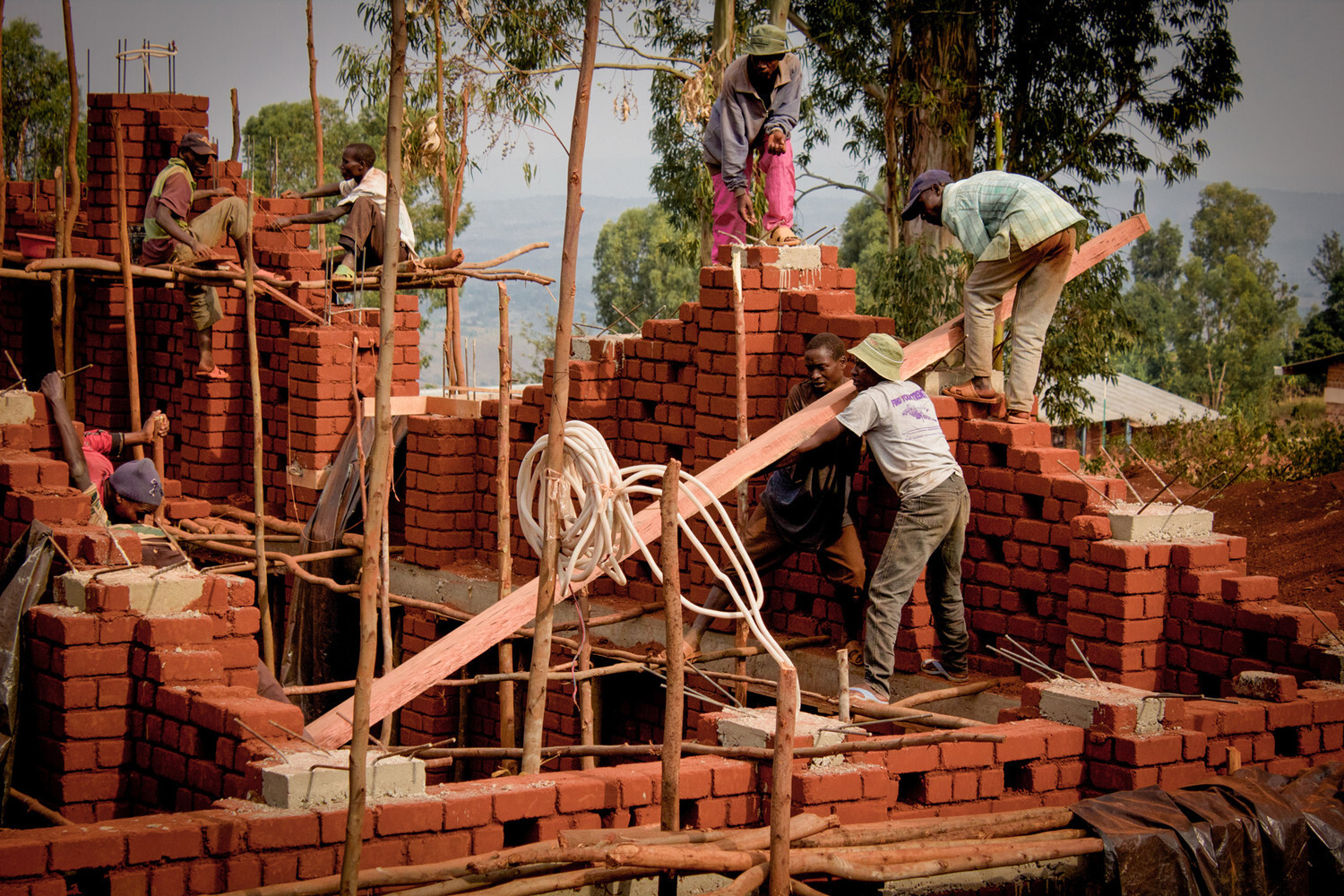
The interest is not in imitating rusticity. Joints, marks and changes of tone communicate assembly, labour and material behaviour.
Specifying texture means accepting tolerances, samples and a particular way of ageing.
The wider context is look at this: The projects keep joints, texture and variation in view. Imperfection becomes information about how the space was made. Reading the project through that lens helps distinguish its architectural contribution from the novelty of the image alone.
AdvertisementARQUITHEAArchitecture for seeing more clearlyIdeas, buildings and tools for understanding the city through real questions.Follow @arquithea_ ↗Its longer-term value will depend on how Six Chinese interiors let timber, plaster and their marks remain visible performs in use—how clearly it organizes access, how its materials age, and whether its spatial decisions remain useful when circumstances change.
Does visible imperfection guarantee authenticity?
No. It matters when marks come from material and process, and when maintenance accepts their evolution rather than replacing them at the first sign of wear.