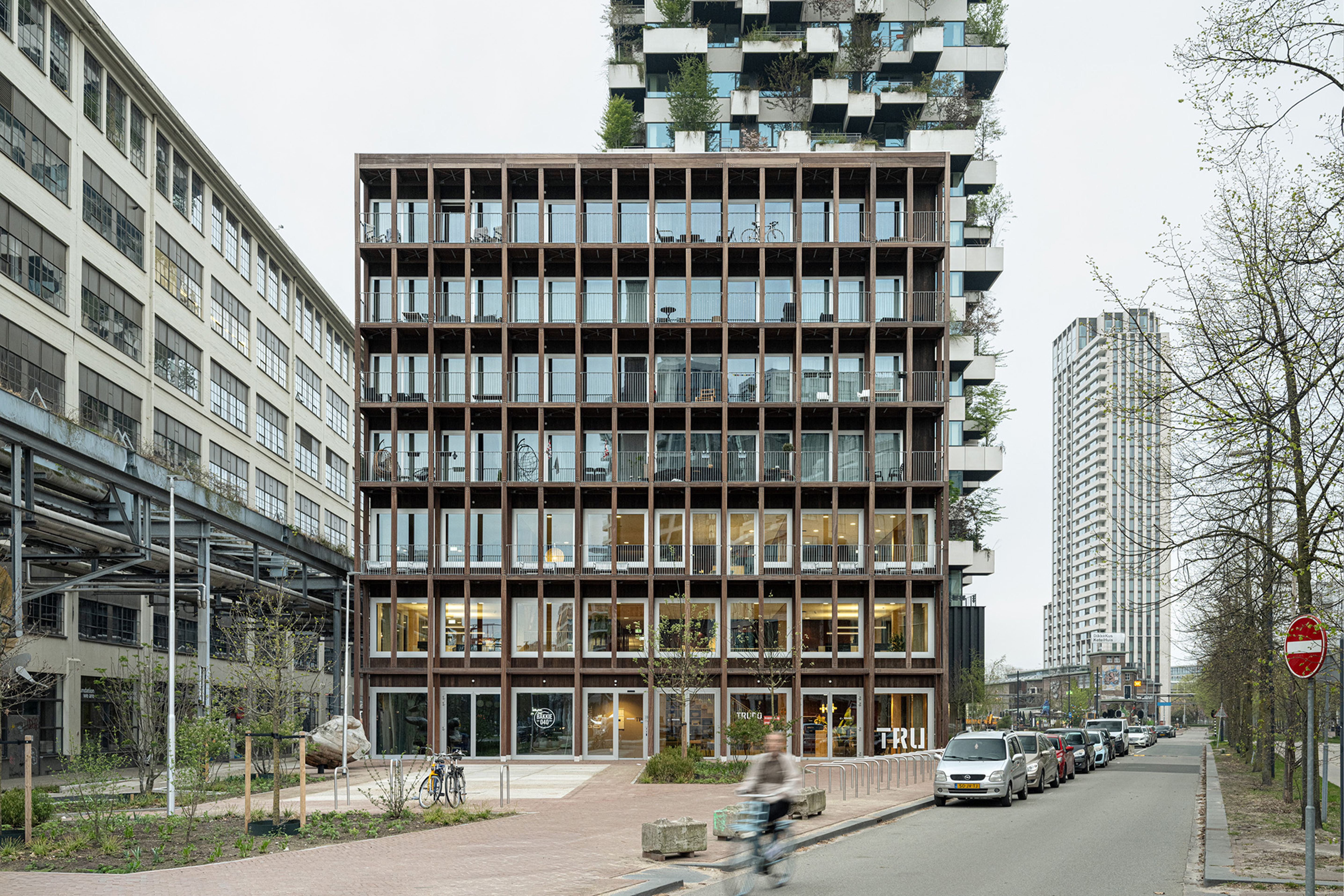
A selection published for International Youth Day brings projects from different contexts together around education, autonomy and encounter.
Its main value lies in avoiding an abstract category. Age, gender, income, climate and safety change how a young person can occupy the city.
The projects allow comparison between courtyards, workshops, housing and cultural space without turning a local solution into a universal recipe.
Read it by asking who can enter, how long they can stay and which activities were not anticipated by the initial programme.
AdvertisementARQUITHEAArchitecture for seeing more clearlyIdeas, buildings and tools for understanding the city through real questions.Follow @arquithea_ ↗The recommendation is not to copy form. It is to recognise common aspirations—learning, meeting, experimenting—and translate them through real resources and conditions.
Is there a specifically young architecture?
Not as a style. There are spaces that offer autonomy, mixed uses, room for appropriation and safety without excessive surveillance. Those conditions matter more than a youthful aesthetic.